
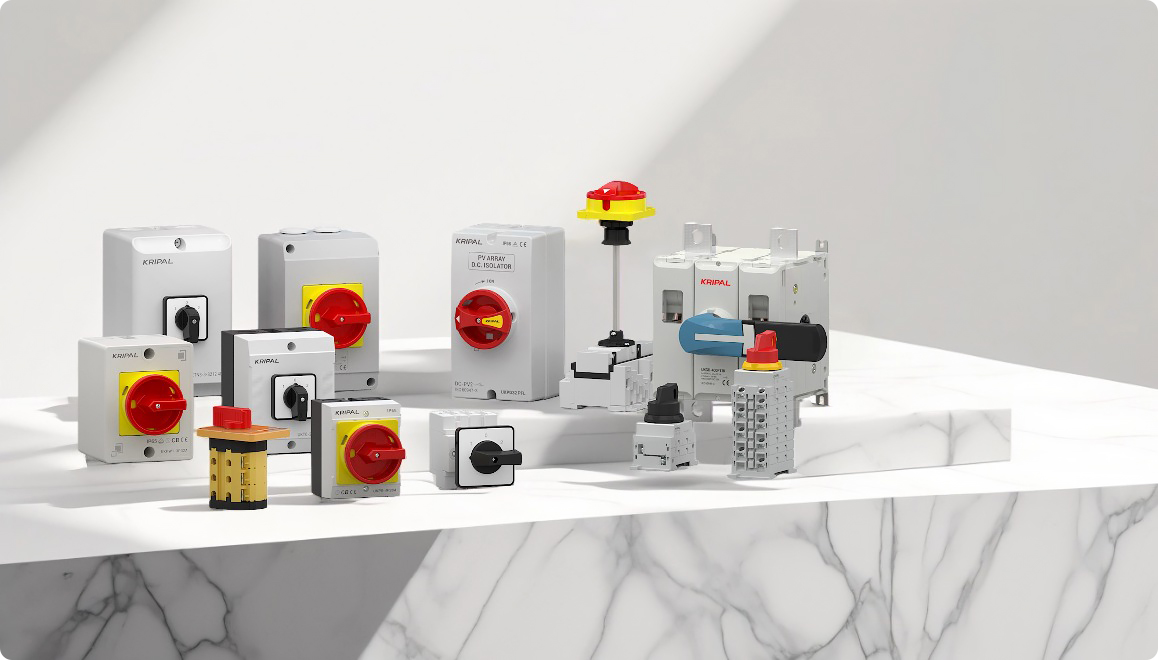
In ensuring the safety of electrical systems, whether in industrial facilities, commercial buildings, or residential environments, isolator switches are more than just a component. They are a crucial safety control device that ensures the safe disconnection of power circuits during maintenance, inspection, or emergencies.
The Core Purpose of an Isolator Switch
The function of a isolator switch is simple yet crucial: to isolate a portion of the circuit from the main power supply. This isolation allows electricians, maintenance personnel, or system operators to safely work on equipment without fear of electric shock, short circuits, or accidental start-up. In buildings, factories, or computer rooms with complex wiring,isolator switches are the first line of defense for personnel safety and equipment protection.
The difference between isolator switches and ordinary switches or circuit breakers is that, once closed, they ensure a complete disconnection from the power supply. This characteristic makes them an indispensable part of compliant electrical installations and an essential component of routine maintenance.
Why Proper Isolator Selection Matters?
Safety Compliance: Using the right isolator ensures adherence to electrical codes and safety standards.
Equipment Longevity: Regular use of isolator switches for maintenance helps prevent wear and tear on sensitive components.
Operational Control: Whether it’s shutting down a section of a facility or isolating a machine for service, isolators offer precise control over electrical distribution.
Emergency Readiness: In unexpected events, such as overload, fault, or fire, isolators enable quick disconnection to reduce hazards.
Choosing the wrong type of switch or a low-quality isolator can compromise all above benefits, leading to safety hazards, regulatory violations, or unnecessary downtime.
What to Look for in a Quality Isolator Switch?
When selecting an isolator switch, consider the following:
- Current and Voltage Rating: Ensure it matches or exceeds the load requirements of the circuit.
- Durability and Build Quality: Industrial-grade materials and robust construction are a must for long-term safety.
- Certifications and Compliance: Look for switches that comply with relevant safety standards.
- Ease of Operation and Maintenance: A good isolator should be easy to operate, and clearly indicate ON/OFF status.
- Environmental Protection: For outdoor or harsh-environment use, consider weatherproof or IP-rated switches.
Kripal Electric’s Isolator Switch Solutions
On our isolator switch product page, you’ll find a range of meticulously designed isolator switches tailored to the needs of industrial, commercial, and heavy-duty environments. Each switch boasts high load capacity and reliable mechanical performance, and features clear on/off indicator lights and an ergonomic handle for intuitive and safe operation every time.
These switches meet critical safety standards and regulatory requirements while protecting users and equipment. They offer flexible installation options suitable for switchboards, motor control centers, HVAC systems, and general circuits, providing exceptional versatility.
Whether you’re installing new switches or upgrading an existing system, Kripal Electric’s isolator switches deliver the reliability and confidence needed for long-term electrical safety and performance.
Applications Across Industries
Kripal’s isolator switches are robust, easy to operate, and designed to meet the stringent requirements of modern electrical systems, finding wide application across multiple industries. They provide a reliable solution for any environment requiring secure electrical isolation and long-term reliability.
In factories and industrial plants, they provide reliable isolation for heavy machinery, production lines, and automated equipment, ensuring safe maintenance and preventing accidental power surges during repairs.
In commercial buildings, isolator switches play a crucial role in managing HVAC equipment, lighting circuits, and distribution panels, helping facility managers maintain operational stability and control energy consumption.
For residential communities, installing isolator switches on the main distribution panel enhances overall electrical safety, allowing technicians to perform maintenance or emergency shutdowns without impacting the entire building.
Simultaneously, in infrastructure and utility projects such as power plants, transportation hubs, and public utilities, isolator switches support frequent inspections, routine maintenance, and strict compliance with safety regulations. Their reliability and clear disconnect function make them an essential component for any location with extremely high performance and safety requirements.
Conclusion
The safety and efficiency of electrical installations depend on their weakest link. By integrating high-quality isolator switches, you are investing in long-term safety, compliance, and operational flexibility. For engineers, facilities managers, electricians, and project planners, selecting the right isolator switch is not optional, but crucial.