
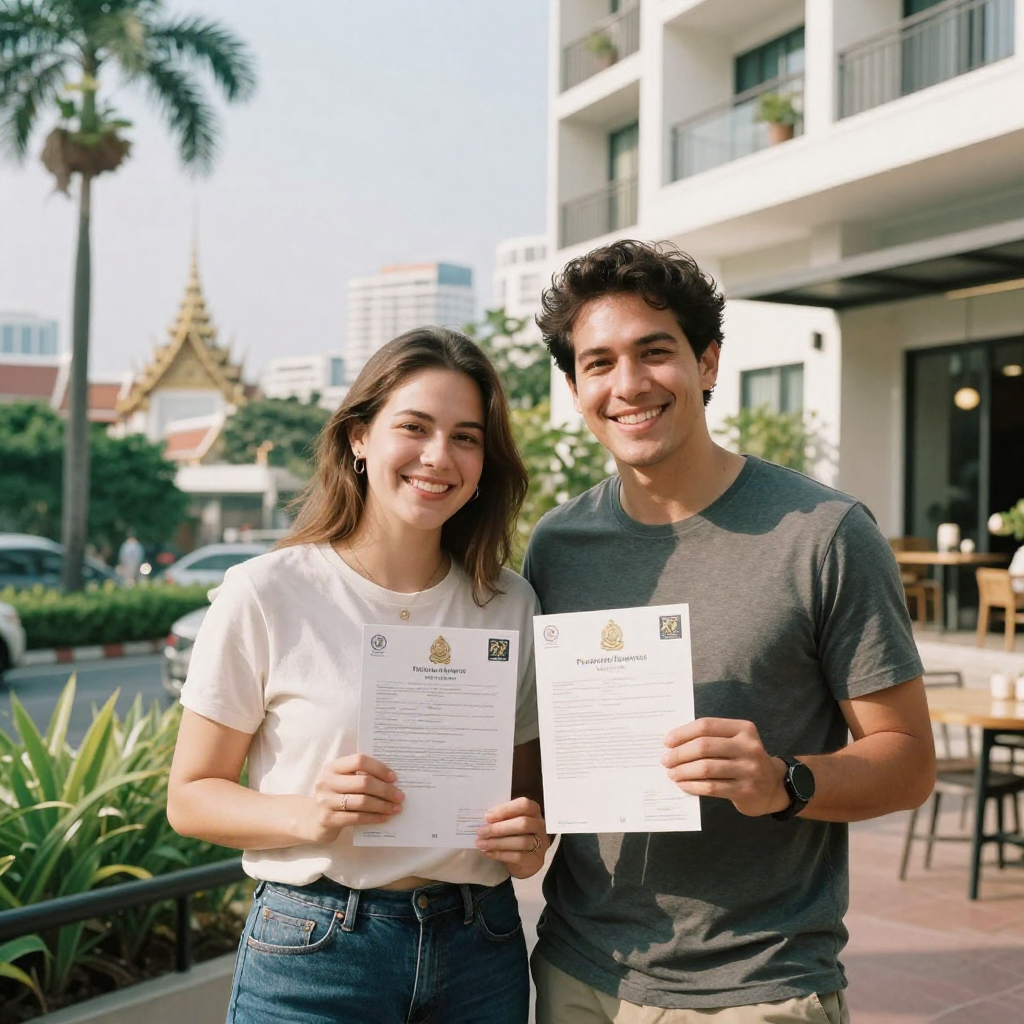
Thailand is one of the most popular retirement destinations in the world. Its warm climate, affordable cost of living, beautiful beaches, rich culture, and welcoming locals make it ideal for expats seeking a relaxed lifestyle. Retiring in Thailand requires careful planning to ensure a smooth transition, including understanding visa requirements, healthcare, housing, and daily life. With proper preparation, retirees can enjoy a safe, comfortable, and fulfilling life in the Land of Smiles.
Retirement Visa Requirements
To Retire in Thailand, expats typically apply for a Non-Immigrant O-A or O-X visa, also called the retirement visa. Applicants must usually be 50 years or older and provide proof of sufficient income or savings, such as a bank balance of at least 800,000 Thai Baht or a monthly income of 65,000 Baht. Health insurance covering the duration of stay is often required, and applicants must have a clean criminal record. The retirement visa allows long-term stay, typically one year, with the possibility of renewal each year. Proper documentation and timely application are essential to avoid visa complications.
Cost of Living
Thailand offers a relatively low cost of living compared to Western countries. Monthly expenses depend on location and lifestyle, but many retirees can live comfortably on 50,000 to 80,000 Thai Baht per month. Housing costs vary: apartments or condos in Bangkok or Phuket are more expensive, while Chiang Mai, Hua Hin, and smaller towns offer affordable options. Food, transportation, and utilities are generally inexpensive, especially when enjoying local markets and street food. Retirees should also budget for travel, healthcare, and leisure activities to maintain a comfortable lifestyle.
Housing Options
Retirees in Thailand can choose from apartments, condominiums, and houses for rent or purchase. Most prefer furnished apartments initially, which include utilities and maintenance, making the move easier. Popular retirement destinations include Chiang Mai for its relaxed pace and cultural attractions, Hua Hin for beachside living, Phuket and Koh Samui for tropical islands, and Bangkok for modern city amenities. Renting with a reputable agent and understanding the lease agreement ensures a secure and hassle-free experience.
Healthcare and Insurance
Thailand has a good healthcare system with modern private hospitals and clinics. Many expats choose private healthcare for English-speaking staff and faster service. Health insurance is mandatory for long-term visas and retirement visas, covering emergencies, routine care, and medical check-ups. Retirees should plan for regular health monitoring and understand the cost of medications or specialist treatments. Access to quality healthcare ensures peace of mind and a healthy retirement.
Lifestyle and Daily Life
Retiring in Thailand offers a variety of lifestyle options. Expats can enjoy beaches, mountains, cultural festivals, temples, markets, and local cuisine. Learning basic Thai and understanding cultural norms helps retirees integrate smoothly into society. Social activities, expat communities, and volunteering opportunities provide a sense of belonging. Thailand’s warm weather, vibrant culture, and friendly people make it easy for retirees to enjoy outdoor activities, travel, and a balanced lifestyle.
Conclusion
Retiring in Thailand can be a rewarding and enjoyable experience with careful planning. Understanding retirement visa requirements, costs, housing, healthcare, and daily life helps expats settle comfortably. By preparing finances, integrating into local culture, and connecting with the community, retirees can enjoy a safe, fulfilling, and affordable life in Thailand. With its stunning landscapes, vibrant culture, and welcoming environment, Thailand offers a retirement lifestyle that combines comfort, adventure, and relaxation.